Congress
ATC 2026, Boston

When the respiratory or pleural culture comes back negative, the infection may not be. RespiKEY pairs targeted NGS with qPCR to name the organisms and resistance behind a negative culture, even when patients are already on antimicrobials.
The Proof
Targeted NGS and qPCR, reported togetherTransplant and Critical Care
Both analyses evaluate molecular detection against standard culture in patients where empiric antimicrobials suppress culture yield. Presented at ISHLT 2026, Toronto (Iacono) and ATS 2026, Orlando (Lopez Ruiz).
Broad-range sensitivity in BAL
p < 0.0001122 paired BAL across 32 recipients. 95% were on antibacterials at sampling, conditions that often reduce culture yield.
Iacono et al. Conference presentation; manuscript in preparation. Numerical findings pending peer-reviewed publication.
Molecular detection in pleural fluid
Targeted NGS detected pathogens in a substantially higher proportion of exudative pleural specimens than standard culture.
The detection advantage was most pronounced in patients sampled after several days of antibiotic therapy, where culture yield is lowest.
Both methods retained high specificity; combining NGS with culture captured the most organisms overall.
145 paired specimens, the majority exudates. Single-center analysis in a critical-care population on empiric antimicrobials.
Lopez Ruiz et al. Conference presentation; manuscript in preparation. Numerical findings pending peer-reviewed publication.
Why RespiKEY
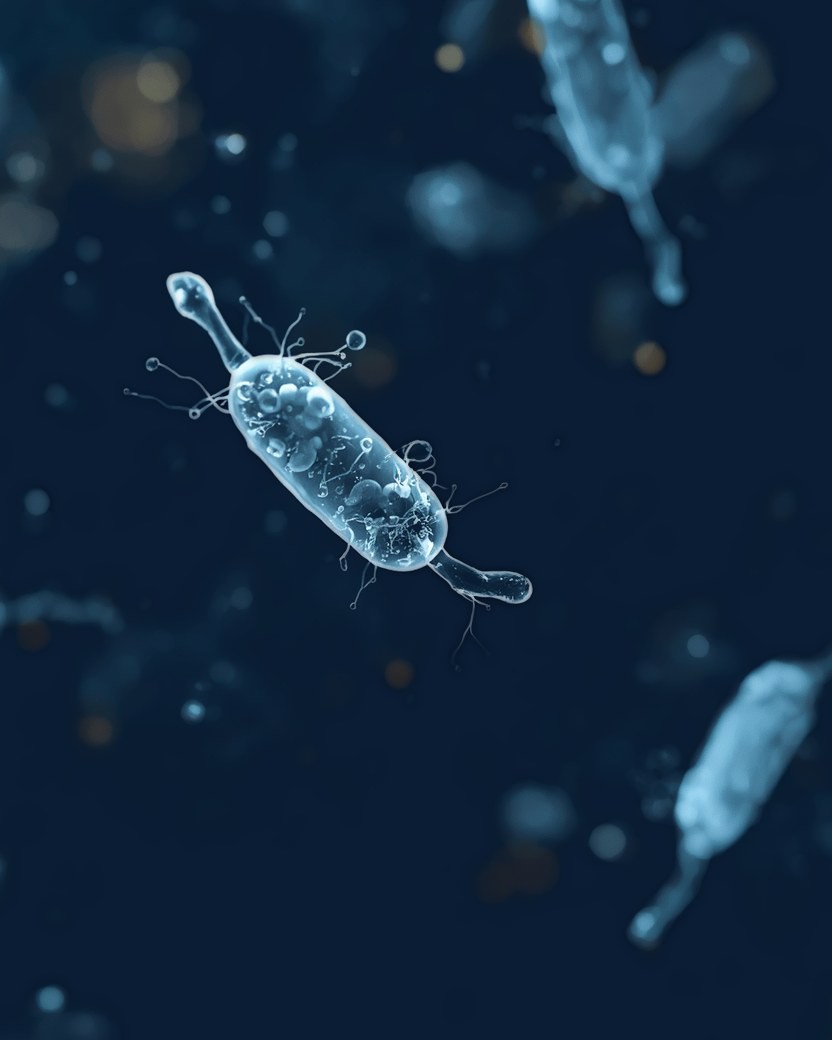
Next-generation sequencing (NGS) and qPCR read the genetic signal of bacteria and fungi whether or not the organism grows on a plate, which is exactly the case when patients are already on therapy. Up to 17 antimicrobial resistance gene targets are reported alongside organism identification, and 16S and ITS sequencing against a 60,000+ microbe database surfaces anaerobes, fungi, and fastidious organisms that targeted panels miss.
Inside the Lab
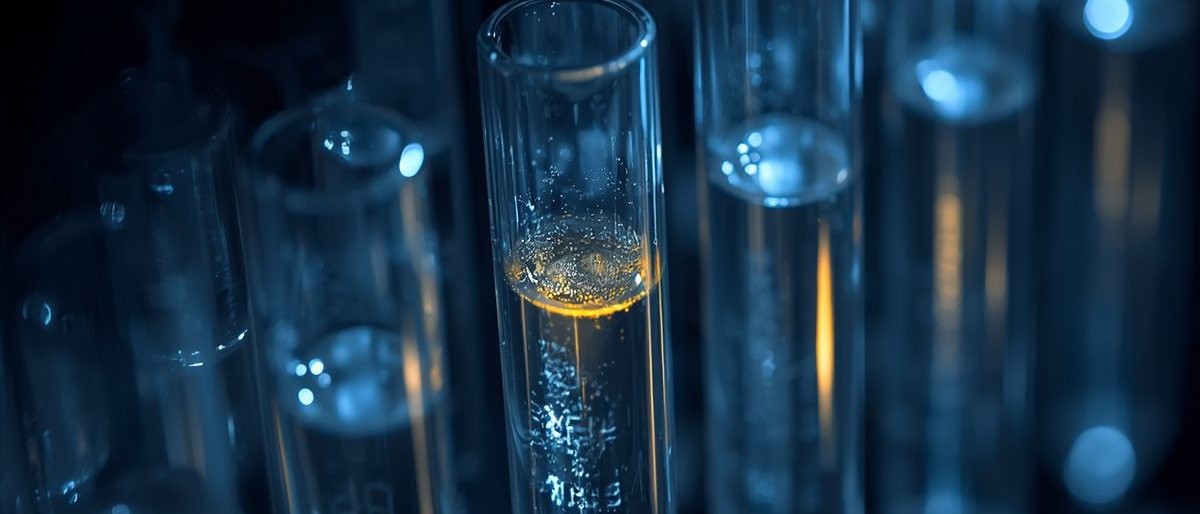
Automated extraction, targeted qPCR, and NGS on the Illumina MiSeq i100 Plus, run in a CAP-accredited, CLIA-certified, CLEP-permitted (NYS DOH) molecular diagnostics laboratory.
How it works
Order kits at microgendx.com with prepaid shipping included. Collect the specimen in a sterile container, no transport media required, and ship overnight.
Request kits at microgendx.com. Prepaid overnight shipping is included.
Sputum, BAL, bronchial wash or brush, lung tissue, or pleural fluid in a sterile container. No transport media required.
Organisms plus resistance targets return together in the MicroGenDX Results Portal.
Specimen Integrity
Pleural fluid, BAL, bronchial samples, and lung tissue arrive at the lab and move straight into a validated molecular workflow. Fluids require a minimum of 2 cc (2 mL); swabs and tissue are submitted per their collection instructions, not by volume. Every report is reviewed and signed before release, with peer-to-peer consultation available on each one.
Go deeper
Clinical background on molecular diagnostics for respiratory and infectious disease, straight from MicroGenDX.

Connect at the Booth
Hold a time at Booth 810. Pick a slot that fits your schedule and a member of the MicroGenDX team will be ready when you arrive.
Meet the field team, or request a clinical peer-to-peer with Medical Affairs.
Bring a culture-negative case and walk through what RespiKEY would have reported.
For Healthcare Professionals Only.